
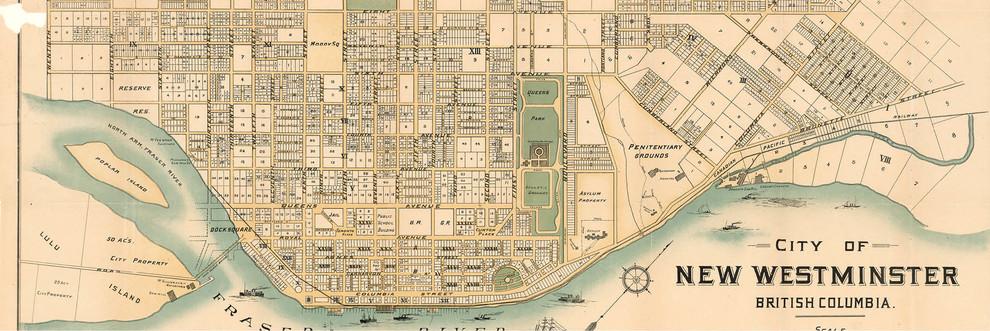
Historic Neighbourhood Context Statements
Context Statements are created to determine the broad patterns of historic development in a community. A historic context statement identifies historic property types or styles which represent the history of the neighbourhood as well as the trends, forces, events and history which shaped development.
Heritage Inventory
The Heritage Resource Inventory is an informal listing of historic New Westminster properties. The Heritage Inventory was the City’s first step to identify local heritage assets.
The initial four-part Inventory was created in the 1980s and updated in the 1990s:
- Volume 1: Downtown
- Volume 2: Queen's Park, Uptown, Brow of the Hill
- Volume 2 (Supplement): Albert Crescent
- Volume 3: Sapperton, Victory Heights, Queensborough, Connaught Heights, West End, Kelvin and Glenbrooke
In 2003, the Twelfth Street Heritage Inventory was created (note: partial document available).
In 2009 and 2010, properties in Queensborough were added:
- Queensborough Residential Heritage Inventory
- Queensborough Industrial Heritage Inventory
- Star Shipyard Heritage Assessment
The Inventory is also searchable through the Heritage Inventory Interactive Map.
The City expects a high level of consideration and evaluation be given to buildings listed on the Heritage Inventory prior to applying for a demolition permit. Similarly, all efforts should be made to retain Heritage Inventory buildings on properties subject to a rezoning application. All such buildings are eligible for Heritage Revitalization Agreements. Learn more about the City's approach to Heritage Protection and Development.
A property listed on the Inventory is not legally protected. If a property is legally protected, the protection will be listed on Title, which is available through the BC Land Title and Survey Authority. The City’s online map, where you can download a public site report, will also note heritage protection. Legal protection of a property from demolition or unsympathetic alterations can be achieved through a variety of heritage planning tools.
New Westminster Museum and Archives
Staff at the New Westminster Museum and Archives are available to assist you with your search. Be prepared with a chronological list of homeowner names or a list of your property's various street numbers if changes have occurred since construction. The archives may reveal information through the following sources:
- Building File
- Cemetery Records and Obituaries
- City Directories
- Community Records and Personal Papers
- Fire Insurance Plans
- Manuscripts
- People Files
- Photographs
- Property Tax Assessment Rolls
- Subject Files
- Water Connection Records
A portion of the archives are available online through the Archives Online service.