Image
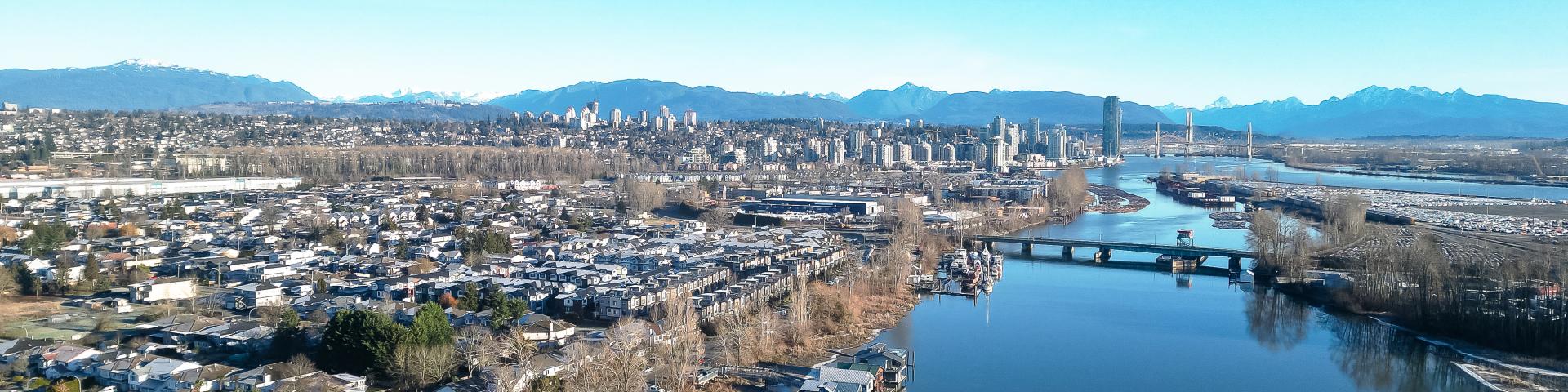

New Westminster is already experiencing the impacts of climate change. We are seeing more frequent and extreme weather events and natural disasters such as floods, storms, drought, heavy rainfall, extreme heat, and more. These events can disrupt our lives, cause damage to our homes, buildings, and infrastructure, and affect our physical and mental health.
Climate change adaptation means preparing for the effects of climate change. It helps reduce the harmful impacts of climate change and helps communities become safer and better prepared for the future. For example, climate adaptation may include putting your blinds down on hot summer days to keep the heat out of your home, or planting a tree to provide shade.
Resiliency is the ability of people, communities, buildings, infrastructure, and natural systems to handle, recover from, and adapt to climate-related challenges.
The more we adapt to climate change, the better prepared and more resilient our community will be to withstand its impacts.
The Climate Change Adaptation and Resilience Plan (CCARP) is a 25-year strategic plan that guides how New Westminster will prepare for and respond to the effects of climate change. It focuses on solutions that meet the needs of our community and helps us use resources wisely to build a safer, healthier, and more resilient New Westminster for everyone.
In 2019, New Westminster’s Council declared a Climate Emergency and endorsed the Seven Bold Steps for Climate Action to guide the City towards a zero-carbon future by 2050. As part of the City’s ongoing efforts to reduce its contribution to climate change, the City adopted an updated Community Energy and Emissions Plan (CEEP 2050) in 2022. A key action identified in the CEEP 2050 is to develop a climate change resilience strategy to coordinate greenhouse gas mitigation and adaptation efforts to help New West prepare for the climate impacts we are experiencing today and in the future.
In May 2025, the City of New Westminster began developing its first adaptation-focused plan, the Climate Change Adaptation and Resilience Plan (CCARP). In October 2026, the Plan was adopted by Council.
The Climate Change Adaptation and Resilience Plan (CCARP) has seven appendices that give more information on key parts of the plan. View the appendices through the below links:
New Westminster is already experiencing the effects of climate change. Warmer, wetter winters and hotter, drier summers can lead to more heatwaves, floods, heavy rainfall, and other extreme events. These events can affect our health, natural areas, and infrastructure. Cities are on the frontlines of responding to climate change given their role in building and managing infrastructure, providing services, undertaking land use planning and coordinating emergency response.
The Climate Change Adaptation and Resilience Plan was developed over five phases from May 2025 to October 2026, with some work beginning prior to Plan development – such as reaching out to First Nations with interest in the lands and waters that the City is located on.
Community engagement was a key part of plan development . An Internal Working Group (IWG) and External Advisory Group (EAG) met five times each (see Appendix E for more details on the IWG and EAG). Other engagement activities included:
For more information on the two rounds of community engagement, please check out the What We Heard Report for Round One and Round Two (links).
For more information on the Climate Change Adaptation and Resilience Plan, please email climateaction@newwestcity.ca.